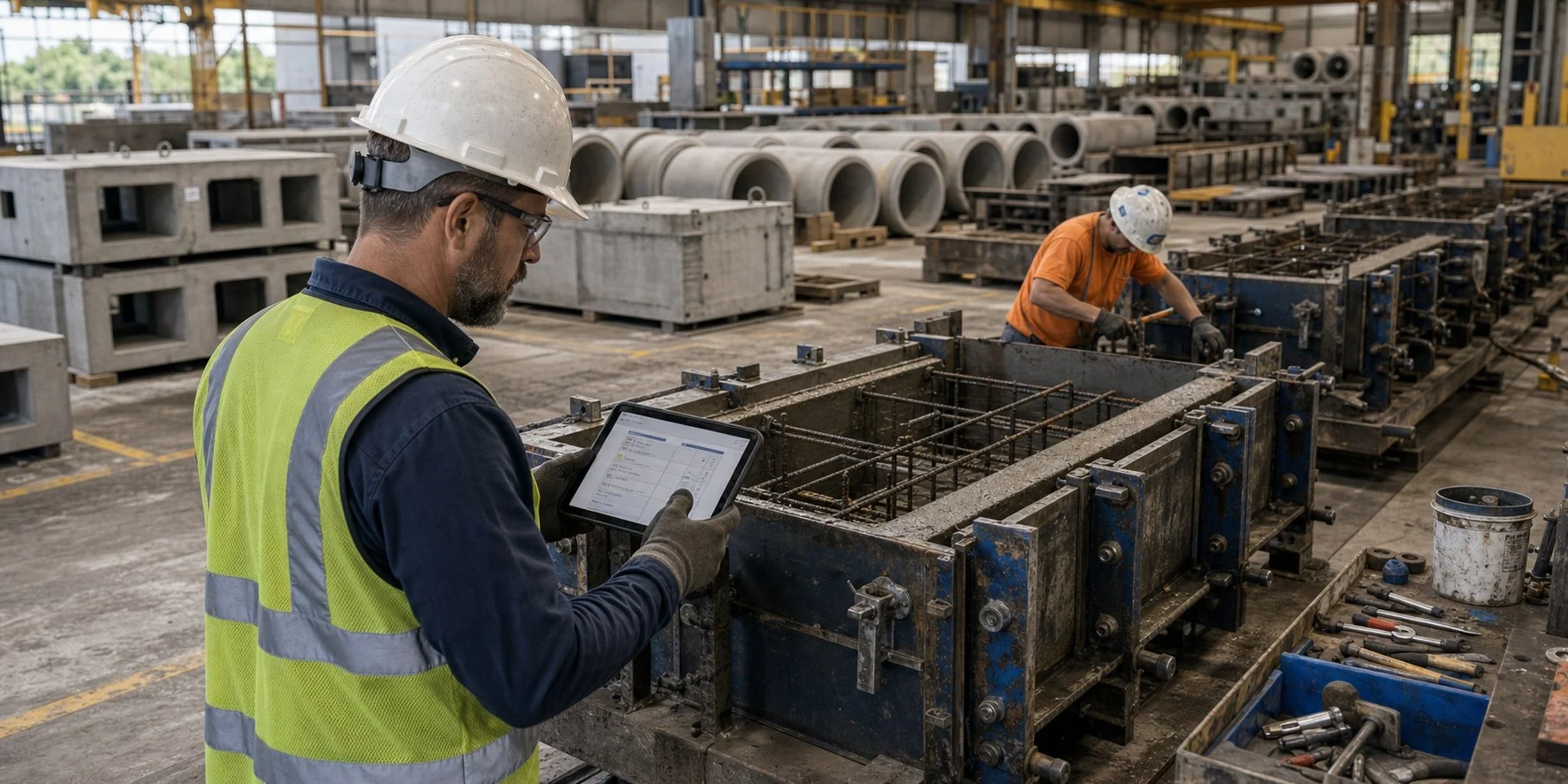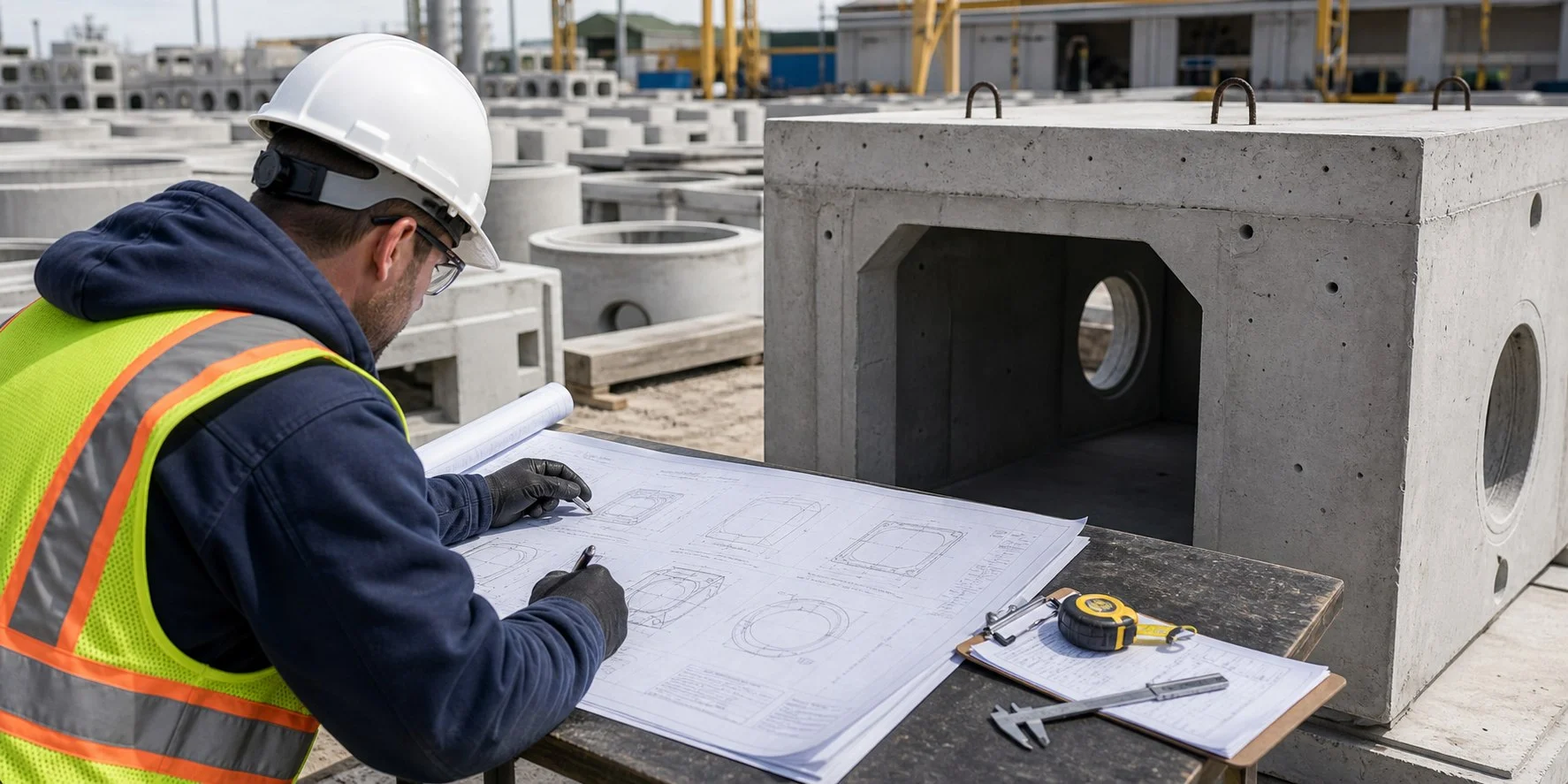
Drawing styles are easy to underestimate during a Titan setup, but they affect how the company communicates with customers, production, and quality control.
For precast companies, drawings may support submittals, approvals, production, yard handling, delivery, and field communication. If the drawing setup is confusing, people will keep fixing drawings manually.
A better approach is to decide what the drawings need to do before building or rebuilding the styles.
Know Who Uses the Drawing
A drawing used by a customer is not always the same as a drawing used by production. Customer-facing drawings may need clarity and approval information, while production drawings may need dimensions, inserts, openings, reinforcing notes, or handling details.
Start by identifying the audience for each drawing style.
Standardize the Information
The same type of information should appear in the same place whenever possible. Users should not have to hunt for job numbers, structure marks, elevations, product descriptions, or special notes.
Consistency makes drawings easier to review and easier to trust.
Avoid Manual Editing as the Normal Process
Some manual editing will always happen on unusual work, but it should not be the normal way drawings become usable. If every drawing requires cleanup, the style is not doing enough.
Repeated manual edits are useful clues. They show which information should probably be handled by the Titan setup instead.
Match Drawings to Product Logic
Drawing styles need to line up with product codes, structures, options, and estimating choices. If the setup uses inconsistent names or options, the drawing output will usually reflect that inconsistency.
This is why drawing style work should be connected to the broader Titan setup instead of treated as a separate design task.
Test With Production Feedback
Production teams often notice drawing problems that do not show up during setup. Ask whether the drawing gives them what they need to build, check, stage, and ship the product.
Good feedback from the plant can prevent drawing styles that look polished but miss practical production needs.
Build Drawing Standards Into Training
Once drawing styles are improved, train users on what each style is for and when to use it. A clean setup still needs a clear process.
Training helps prevent users from creating duplicate styles or working around the system.
Need Help Cleaning Up Titan?
Precast Simplified helps precast concrete companies review, clean up, and improve Titan setups so estimating, production, dispatch, invoicing, and reporting work from the same dependable information.
If your team is trying to improve a Titan setup, plan a VT3000 transition, standardize estimating, or reduce duplicate entry, request a Titan review and we can help identify the best next steps.
You can also visit the Precast Resources library for more Titan and precast operations guides.








Related Posts